
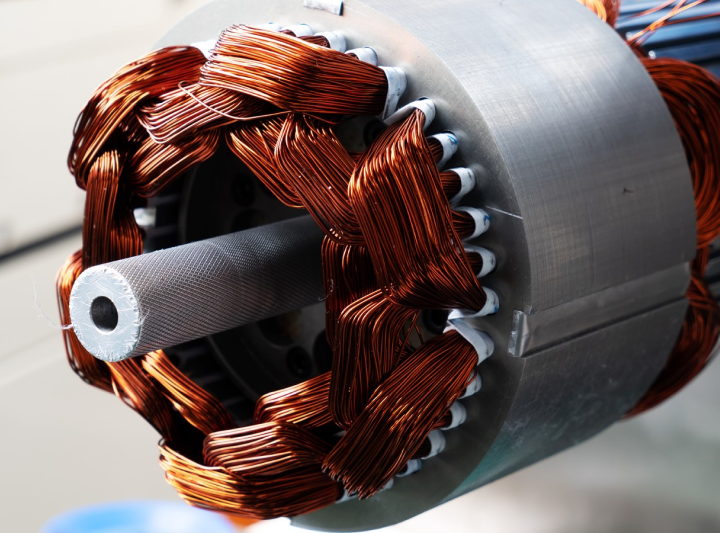
Signs your brushless DC motor needs rewinding
- The motor runs hotter than expected during normal operation.
- There is a noticeable loss of torque or the motor cannot maintain speed under load.
- You hear unusual noise or feel excess vibration during operation.
- The controller reports a fault or the motor behaves erratically.
- There is visible discolouration or a burning smell from the stator windings.
- The motor draws higher current than its rated specification for a given load.
Because brushless DC motors work closely with an electronic controller, it is worth confirming the controller itself is functioning correctly before assuming the fault is in the windings.
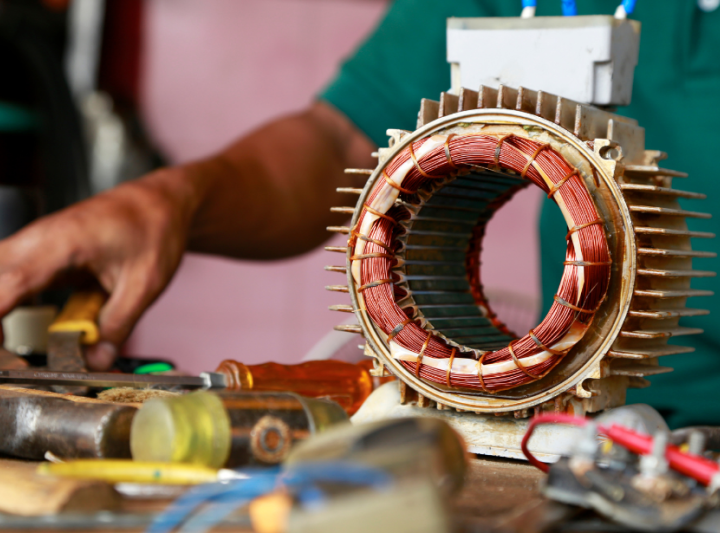
How a brushless DC motor works and why the windings fail
A brushless DC motor has no brushes or mechanical commutator. Instead, the stator windings are energised in a specific sequence by an electronic controller, which uses position feedback, often from Hall effect sensors or sensorless back electromotive force detection, to know exactly when to switch each winding. The rotor itself contains permanent magnets, and it is the interaction between the switched stator field and the rotor's magnetic field that produces rotation. Because switching is handled electronically rather than by a mechanical capacitor and switch arrangement, BLDC motors do not use start or run capacitors.
Winding failure in BLDC motors is often linked to heat, since these motors are frequently run at high speed or high duty cycle in compact housings with limited airflow. Insulation breakdown from sustained heat, contamination from dust or moisture in industrial settings, and mechanical vibration loosening winding connections over time are the most common causes. Controller faults can also send incorrect switching signals that overload one winding phase more than the others, which accelerates failure in that specific winding.
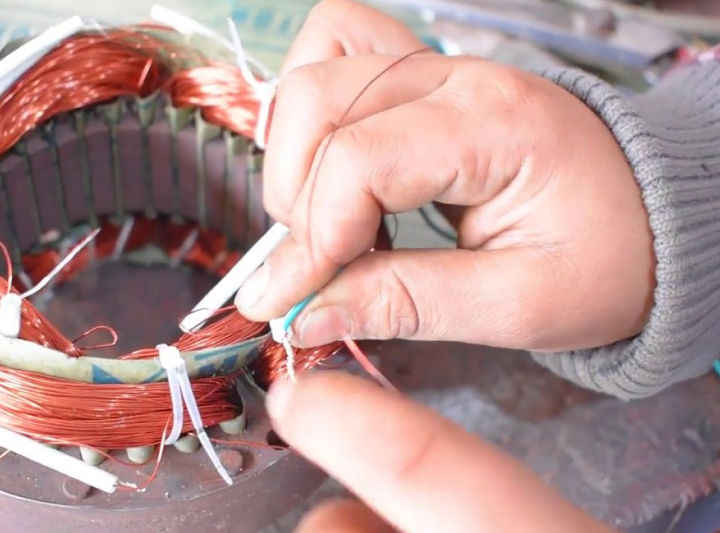
What rewinding a brushless DC motor actually involves
The stator is removed and stripped of its existing windings, then inspected for any lamination damage before rewinding begins. Because BLDC motors are wound in multiple phases with a specific coil pattern designed to work with the controller's switching sequence, the rewind has to reproduce the original phase configuration precisely, not just the wire gauge and turns count.
New wire is wound to the original specification, insulated, and the stator is dipped or impregnated with varnish and cured to lock the windings in place. Once cured, we also check the rotor magnets for any signs of demagnetisation, since a rewind on its own will not fix a motor with a weakened rotor.
The reassembled motor is then tested with a compatible controller to confirm correct phase timing, smooth operation across its speed range, and normal current draw before it is returned.
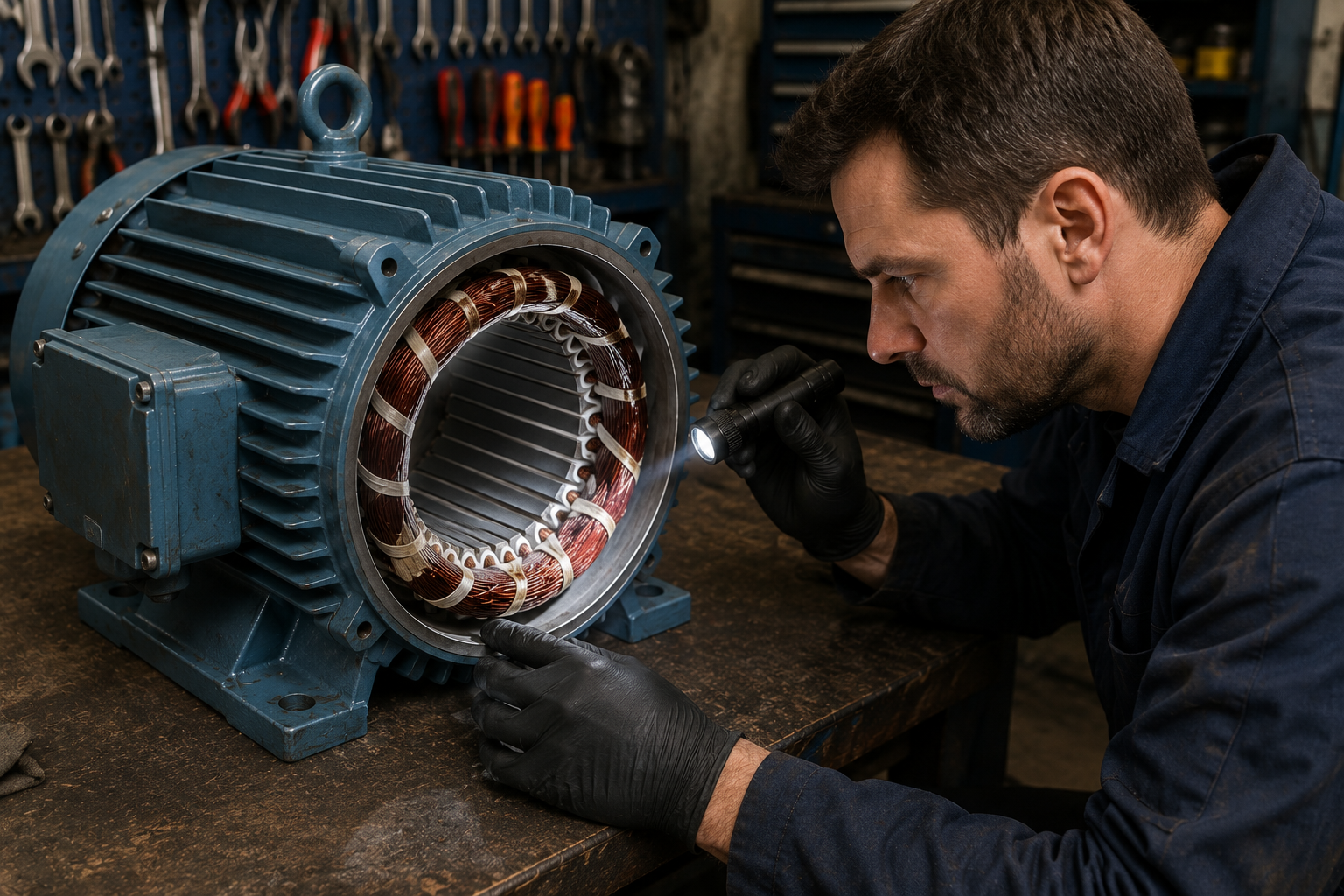
Our rewinding and repair process
- Initial diagnosis of windings, rotor magnets, and controller behaviour.
- Full strip down and inspection of the stator core.
- Rewinding to the original phase configuration and specification.
- Insulation testing and varnish curing.
- Reassembly and testing with a compatible controller.
- Delivery or pickup coordination to suit your schedule.
Frequently Asked
Questions
Can a brushless DC motor be rewound like a normal electric motor?
Yes, though the process needs to match the original phase configuration precisely, since BLDC motors rely on a specific winding pattern to work correctly with their controller.
What if the fault is in the controller rather than the motor?
We check the motor and controller behaviour together during assessment, since a controller fault can look identical to a winding fault. We will let you know which is actually at fault before recommending a rewind.
Do you check the rotor magnets during a BLDC rewind?
Yes, we inspect the rotor for signs of demagnetisation, since a weakened rotor will continue to cause performance issues even after a rewind.
How long does a brushless DC motor rewind take?
Turnaround depends on the motor's size and winding complexity. Contact us for a current estimate based on your specific motor.
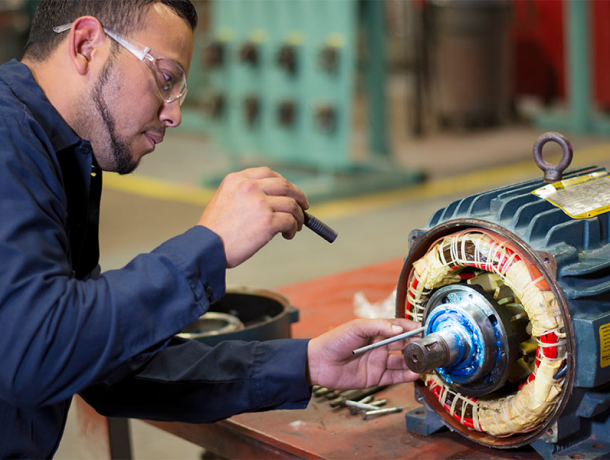
Your Local Auckland Based Motor Rewinder
When rewinding an electric motor, it is important to find a reliable service provider in order to ensure proper maintenance and repair of the equipment. A reliable service provider will have experience in the field, offering quality workmanship and specialized services.
They should also be licensed and certified, so customers have the assurance that they are dealing with a professional who meets industry standards. Finding a reliable service provider can help prevent damage or loss of equipment, saving time and money in the long run.
We proudly serve Auckland and the surrounding regions, including North Shore, East Auckland, West Auckland, South Auckland and Central Auckland.